
Key takeaways · Race brief
- 1'Jelly legs' are caused by rapid blood-flow redistribution from cycling quads to running hamstrings/calves plus a sudden shift from circular concentric pedalling to eccentric impact.
- 2You do not need massive 15 km brick runs — frequent 15-to-25-minute runs right off the bike build 90% of the neuromuscular adaptation with minimal injury risk.
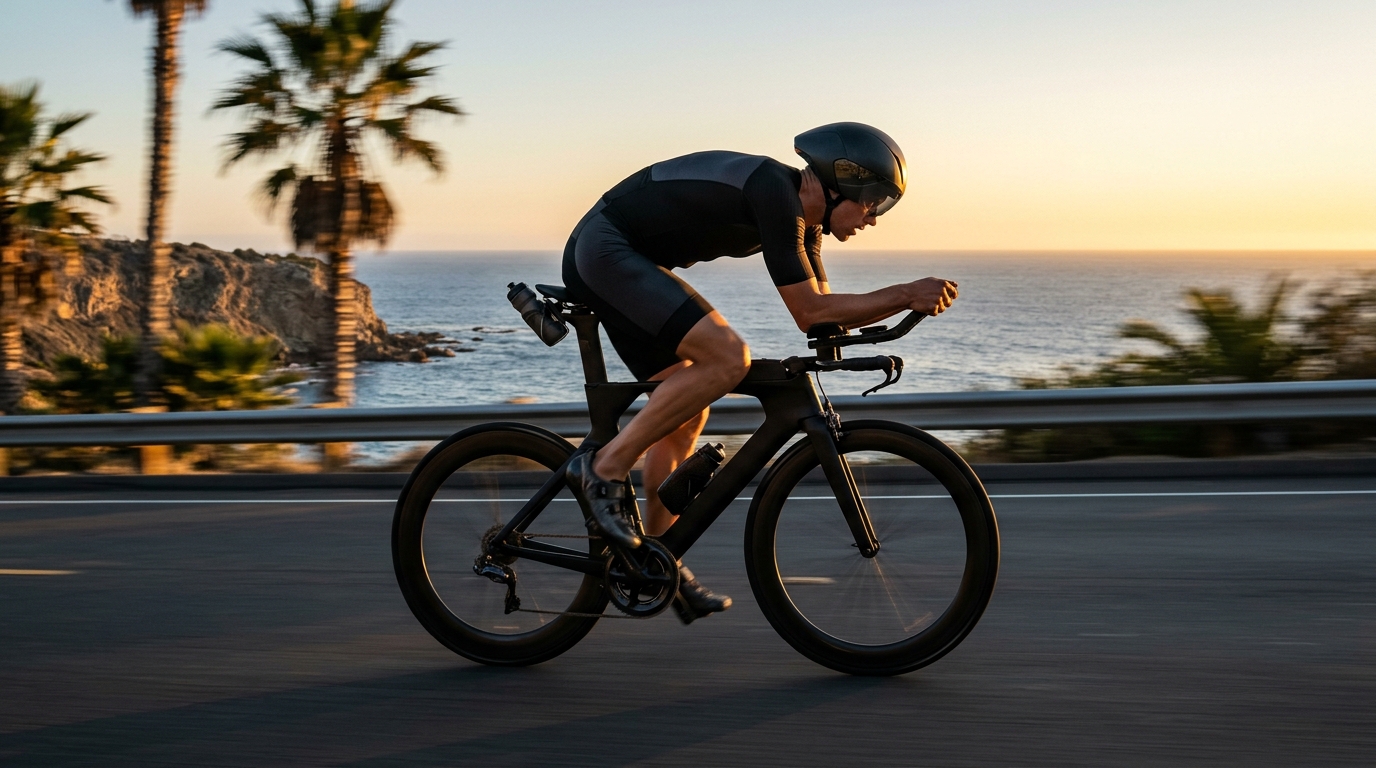
- 3Spin at 90–95 RPM in an easy gear for the final 5 minutes of the bike to flush quads before hitting the dismount line.
- 4Focus strictly on quick cadence (176–182 steps/min) and tall posture during kilometres 1–2 rather than staring at GPS pace.
Why Your Legs Feel Like Concrete When You Step Off the Bike
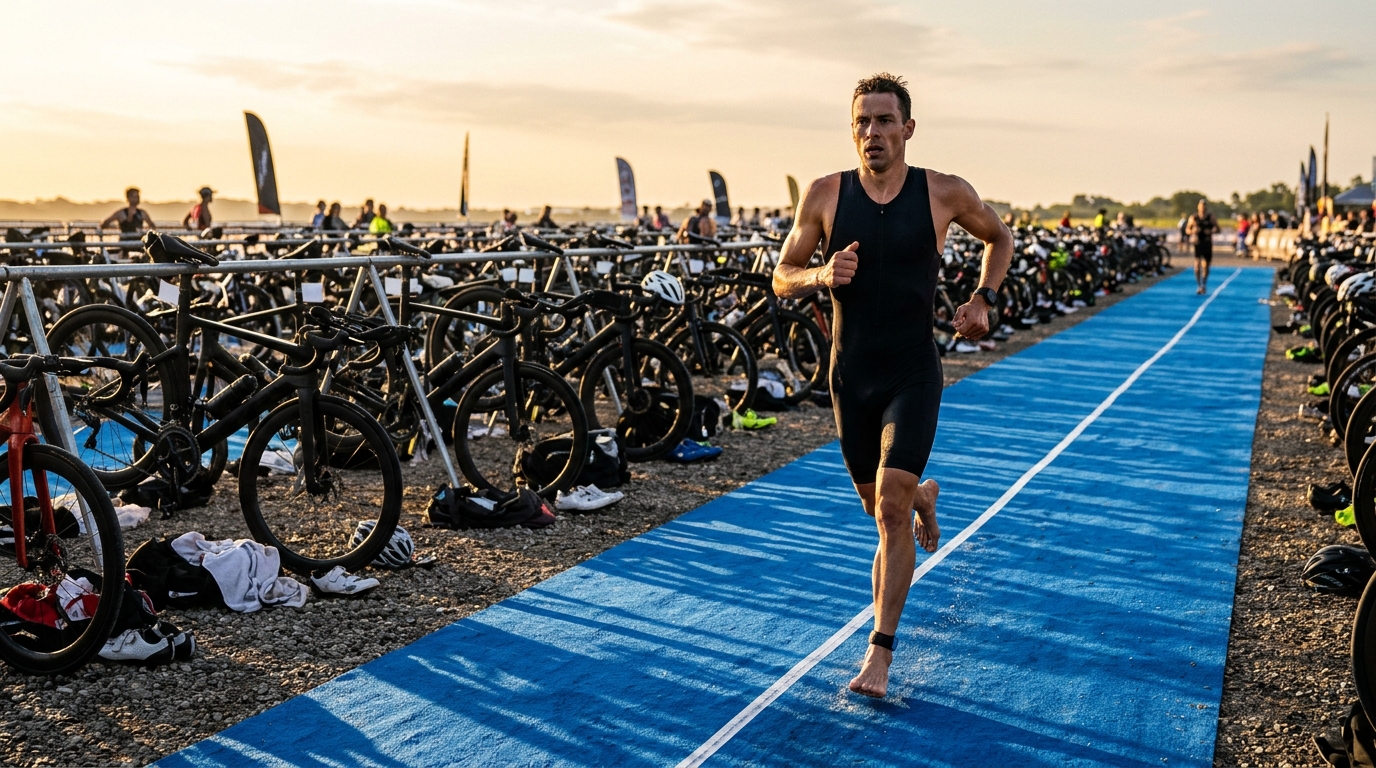
During cycling, your quadriceps and glutes perform thousands of concentric contractions with zero ground-impact shock, while your upper body remains flexed over the handlebars. Seconds after racking your bike in T2, you ask your ankles, calves, and hamstrings to absorb 2.5 to 3 times your body weight on every footstrike.
Simultaneously, blood pooled heavily in the quads must redistribute across running muscles, and your vestibular system (inner ear) recalibrates from rolling at 32 km/h to moving at 11 km/h. That 8-to-12-minute neurological recalibration is what athletes call 'jelly legs' — and regular brick workouts cut that transition haze in half.
5 Proven Brick Workouts for Every WeRox Distance
Smart brick training progresses from short neurological openers early in your season to targeted race-pace fuel rehearsals during peak build weeks. Keep transitions under 3 minutes by staging your running shoes beside your door or trainer before you start riding.
Progressive Triathlon Brick Workout Library
| Workout Name | Bike Component | Immediate Run | Best Phase / Distance |
|---|---|---|---|
| 1. The Micro-Brick | 45–60 min steady Zone 2 | 10–15 min easy high cadence | Base phase · All distances |
| 2. Quarter Race Rehearsal | 40 km @ race effort | 5 km @ target 10.5K pace | Peak · WeRox Quarter |
| 3. Repeat Mini-Bricks | 3 × (20 min tempo bike + 10 min race-pace run) | Integrated (30 min total run) | Build · Quarter & Half |
| 4. Half 113 Simulation | 75–90 km @ 75% FTP w/ full fuelling | 25–35 min @ HM effort | Peak · WeRox Half 113 km |
| 5. Long-Course Durability | 120–140 km @ 68% FTP | 35–45 min steady Zone 2 | Peak · WeRox Full 226 km |
4 Mechanical Cues to Unlock Smooth Running in Kilometre One
Execute these four habits at the end of every bike ride until they become automatic on race morning:
- Raise Bike Cadence Late: Drop two gears and spin 90–95 RPM during the final 1.5 km before T2 to wake up fast-twitch turnover.
- Open Your Hips Immediately: Take 3 seconds exiting T2 to stand tall, pull your shoulder blades gently back, and avoid running hunched in a 'bike posture'.
- Shorten Your Stride, Raise Your Cadence: Count steps or lock onto ~180 SPM with light, compact steps directly underneath your hips. Never overstride on fatigued quads.
- Check Your Watch at 500 m: Adrenaline makes 4:30/km feel like 5:30/km right out of T2. Glance at your watch early and throttle back immediately to your race plan.

Frequently asked questions
Running & Pacing FAQs.
Written by
28+ TriathlonsRohan Deshmukh
IRONMAN U Certified Coach · 7× Full-Distance Finisher
Rohan has coached over 350 Indian age-group triathletes from their first 56.5 km Quarter to sub-10-hour Full 226 km finishes across Goa, Bengaluru, and coastal Maharashtra.
Endurance training, pacing, and nutrition guidance in the WeRox Journal is for educational purposes and does not replace personalised medical clearance. Consult a qualified sports physician before undertaking long-distance triathlon racing.