Key takeaways · Race brief
- 1Open-water panic is almost always caused by CO₂ build-up from holding your breath underwater — force a slow, steady bubble exhale on every stroke.
- 2Master 'crocodile eyes' sighting: peek forward just before rolling to breathe to the side, never lifting your entire chest out of the water.
- 3Drafting cleanly on another swimmer's toes or hip reduces hydrodynamic drag by 15% to 22%, saving huge energy for the bike leg.
- 4Seed yourself honestly at the start line and warm up in the water for 5 minutes before the horn so the initial cold/salinity shock passes.
The Physiology of Open-Water Panic — And How to Defuse It in 15 Seconds
Even swimmers who cruise effortlessly through 2,000 metres in a 25-metre pool can suddenly feel breathless 100 metres into an open-water race. It is rarely a lack of fitness. The real culprit is an adrenaline surge combined with murky visibility, choppy swell, and unconscious breath-holding.
When you hold your breath underwater, carbon dioxide spikes in your bloodstream faster than oxygen drops. Your brain's chemoreceptors immediately fire an alarm saying you are suffocating, forcing your head up, dropping your hips, and making your strokes frantic.
- The Pre-Race Water Acclimation: Enter the water 10 minutes before your wave start, submerge your face completely three times, and blow long hummed exhales to trigger the mammalian dive reflex.
- The 200-Metre Cruise Rule: Intentionally start 15% slower than your target pace for the first two minutes. Let the adrenaline flush out before locking into rhythm.
- The 3-Stroke Reset: If anxiety spikes mid-course, roll briefly to breaststroke or float on your back, take three slow diaphragmatic breaths, spot a stationary landmark on shore, and resume easy freestyle.
“You cannot win a triathlon in the swim, but panicking in the first 300 metres can spike your heart rate so high it costs you twenty minutes on the run.”
Crocodile Sighting: Swimming Straight Without Sinking Your Hips
Swimming off-course by just 10 degrees adds 150 to 250 extra metres on a 1.9 km loop. Yet lifting your head high like a water-polo player collapses your body line and acts like dragging an anchor behind your legs.
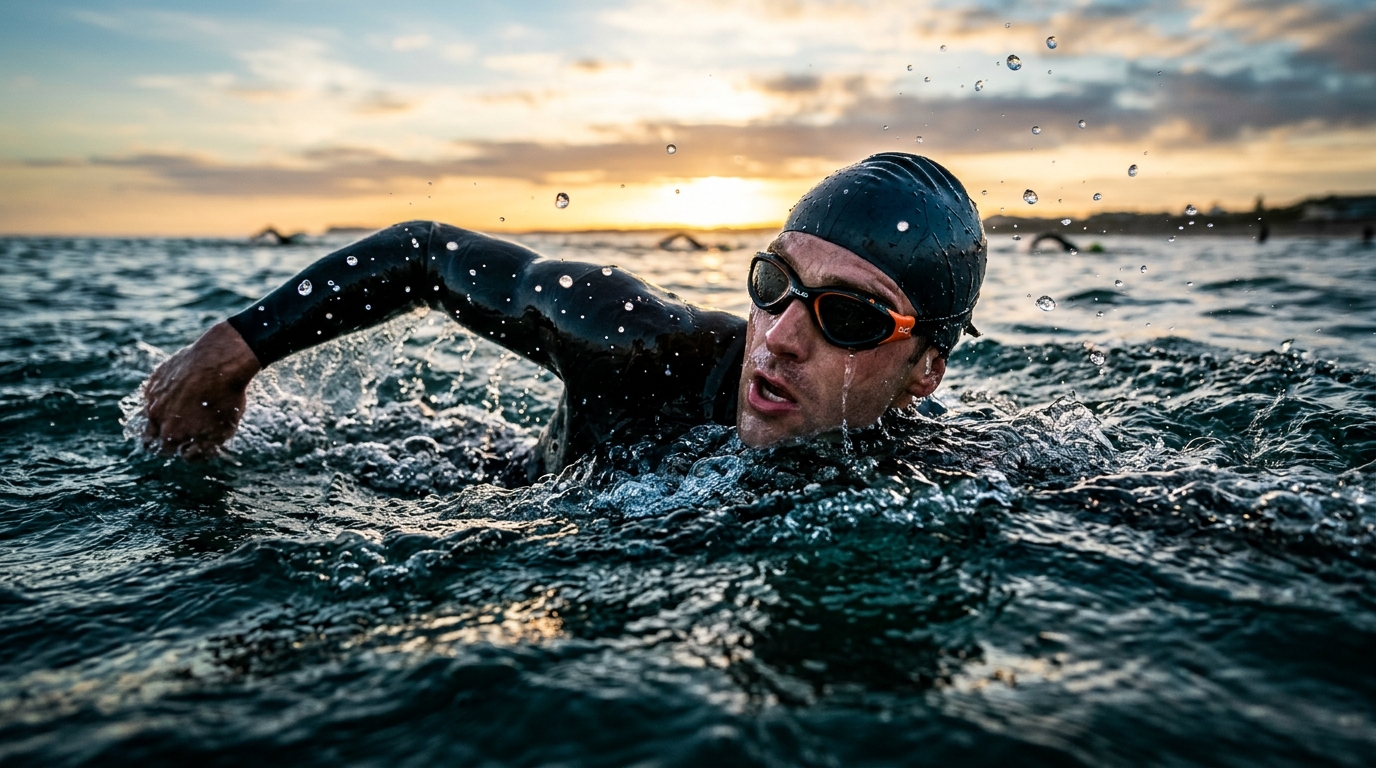
Instead, decouple sighting from breathing using the 'crocodile eyes' method. As your lead arm extends forward for support, lift ONLY your goggles above the surface for a split second — just enough to register the bright orange turn buoy — then drop your face and immediately roll to the side to inhale.
Open-Water Sighting Frequency by Water Conditions
| Water Condition | Sighting Cadence | Secondary Landmark Strategy |
|---|---|---|
| Glassy lake / calm bay | Every 8–10 strokes | Track buoy line + shoreline tree/tower behind it |
| Light coastal swell | Every 6 strokes | Time your peek at the crest of the swell, not the trough |
| Choppy surf / strong cross-current | Every 4 strokes | Aim slightly upstream of the buoy to offset drift |
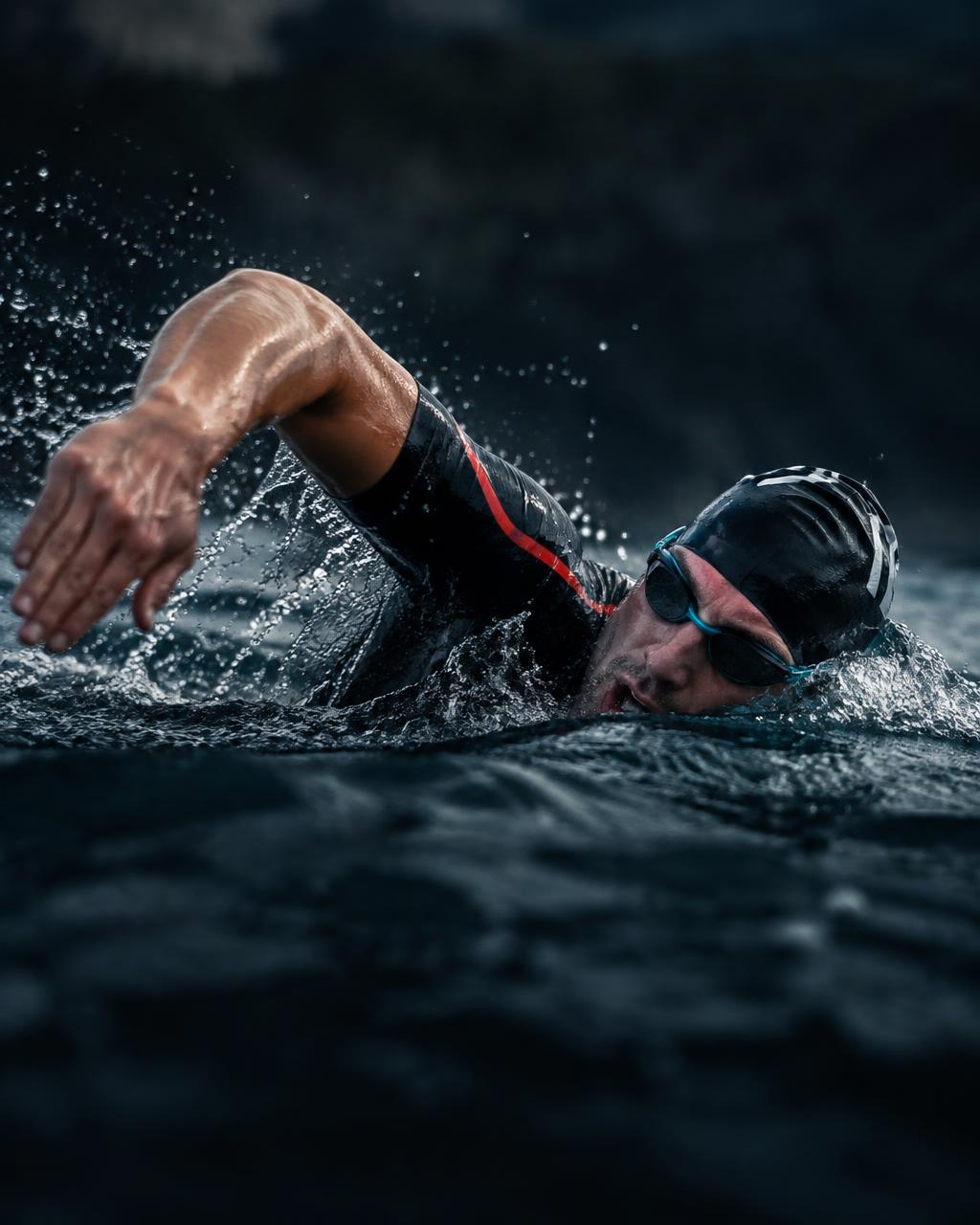
Legal Drafting & Clean Buoy Turns: Free Speed in the Water
Unlike the cycling leg where drafting carries strict time penalties, drafting in the swim is 100% legal and one of the smartest energy-conservation tactics in triathlon. Position your fingertips roughly 30 to 50 centimetres behind the bubbles of a swimmer moving at your pace — or ride alongside their hip where their bow wave pulls you forward.
Around turn buoys, resistance peaks as dozens of swimmers squeeze tight to the inside rail. Unless you are fighting for an overall podium, swing 2 to 3 metres wider around the buoy: you add less than 4 seconds of distance while keeping clean, uninterrupted water and zero elbows to your goggles.
Preparing for Warm, Salty Indian Open-Water Courses
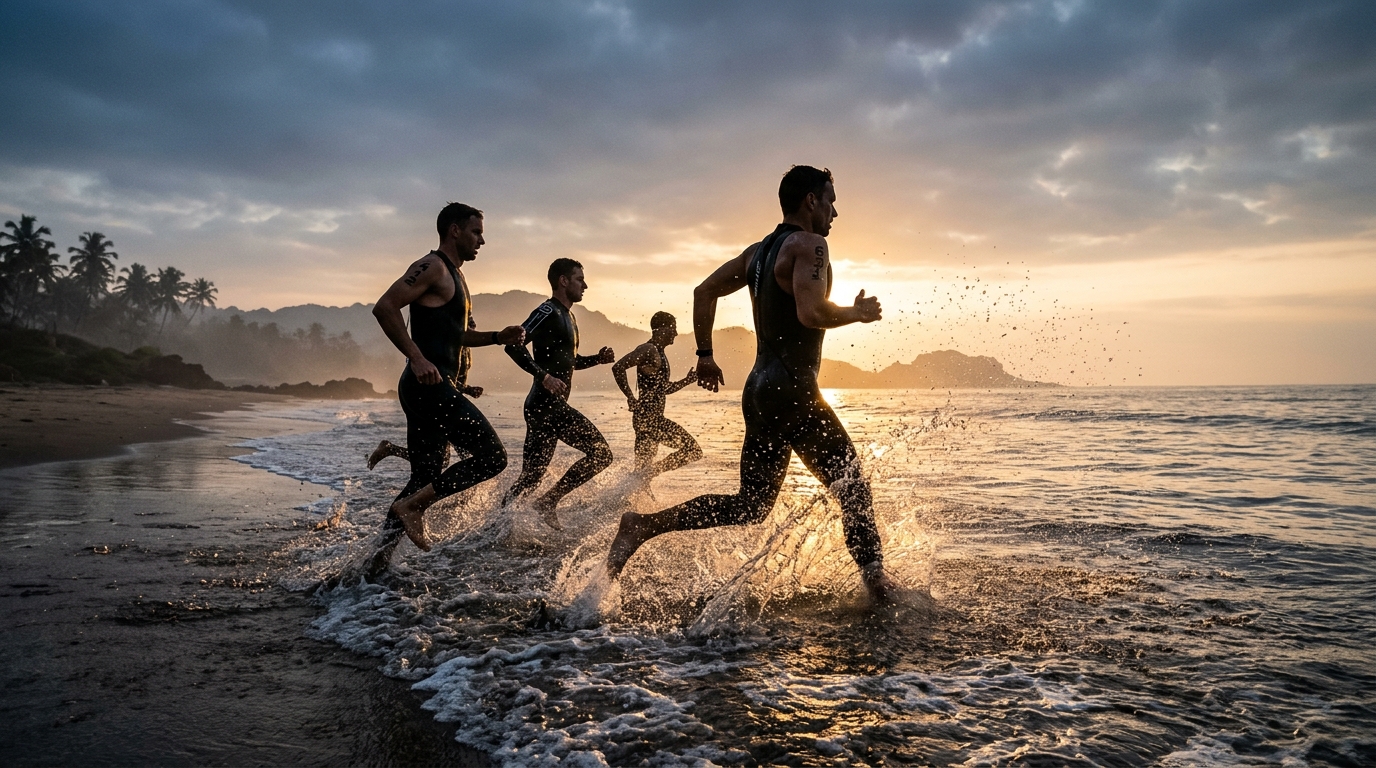
Most Indian coastal and lake triathlons (including Goa, coastal Maharashtra, and southern reservoirs) are non-wetsuit races because water temperatures stay comfortably between 25°C and 29°C. That changes two critical details:
- Saltwater Chafing: Warm seawater rapidly turns tiny trisuit neck-seam friction into painful raw burns. Coat your collarbone, neckline, and underarms generously with silicone-based anti-chafe balm (never petroleum jelly if wearing neoprene swimskins).
- Buoyancy & Salt Taste: Ocean saltiness actually elevates your hips naturally compared to freshwater pools, making swimming slightly easier. Carry a small rinse bottle in T1 to clear salt from your mouth before taking your first cycling gel.
Frequently asked questions
Open Water Swim FAQs.
Written by
40+ Open-Water & Tri EventsVikram Nair
ASCA Level 3 Swim Coach · Former National Open-Water Medallist
Vikram leads WeRox's coastal open-water clinics and race-day transition safety workshops, helping adult-onset swimmers build calm, efficient ocean technique.
Endurance training, pacing, and nutrition guidance in the WeRox Journal is for educational purposes and does not replace personalised medical clearance. Consult a qualified sports physician before undertaking long-distance triathlon racing.